


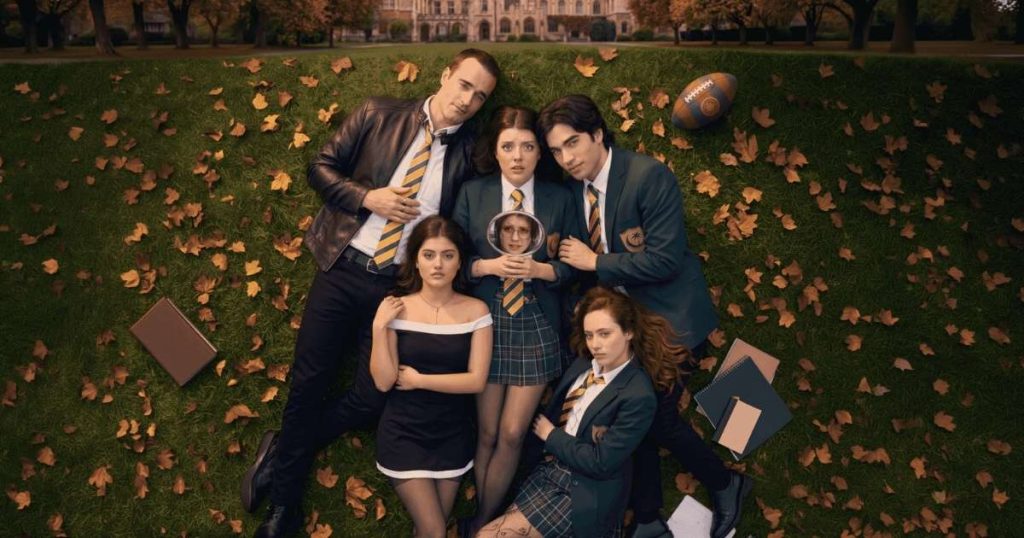
The Nerd’s AI Fake Tamed the College Crushes is a short-form campus romance built around a modern kind of mistake: a fake AI identity that begins as a shortcut but grows into an emotional trap. The ShortFlix premise introduces Katie as a shy student who creates a false AI account using the image of a beautiful girl named Lola. Her first goal is simple.
She wants to reach Jacob, the school heartthrob, without exposing her real self. The problem arrives when the real girl behind the photos, Jennifer, appears at college, while Katie begins to fall for Jacob’s brother, Rob.
That setup gives the drama a strong hook from the first episode. It is not only about who likes whom. It is about what happens when a person uses technology to become braver, prettier, and more desirable than they feel in real life.
The story uses a familiar college environment, but the AI fake account gives the romance a sharper and more current edge.
Quick review
The Nerd’s AI Fake Tamed the College Crushes works because it keeps the conflict easy to understand. Katie wants attention, but she does not want the risk that comes with being herself. The fake Lola account gives her confidence, yet it also creates a second version of her life. That second life is more attractive, more powerful, and much harder to control.
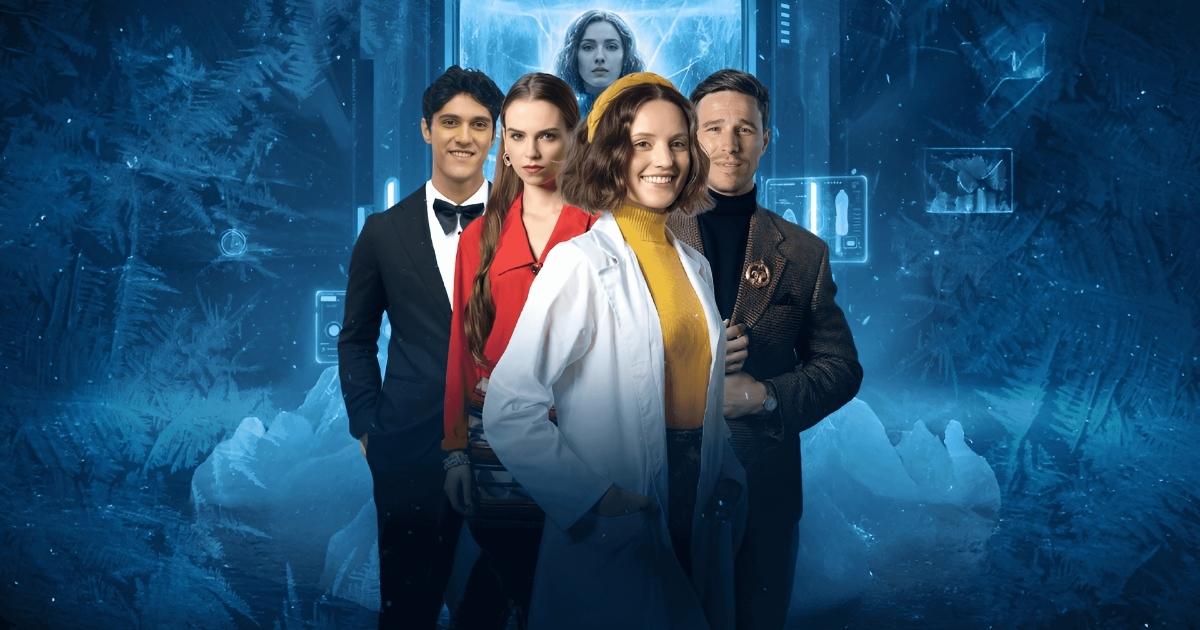
The drama is strongest when it focuses on the emotional cost of pretending. Viewers can understand why Katie starts the lie, even if they know the lie will hurt people later. This balance makes the story more watchable than a simple catfish plot. The audience is not only waiting for the truth to be exposed. The audience is also watching Katie slowly discover what she actually wants.
As a short drama, the pacing is direct. There is no need for a long introduction. The first emotional question appears quickly: will Katie keep using the fake identity, or will she choose the harder path of being honest? That question gives the episodes a clean direction.
What The Nerds AI Fake Tamed the College Crushes is about
The core story follows Katie, a shy college girl who feels invisible beside louder, more confident students. She creates an AI-based fake account under the name Lola, using the image of a beautiful girl to get close to Jacob. In a traditional romance, Katie might try to change her look or confess her feelings directly. Here, she uses a digital mask. That choice makes the plot feel tied to online culture, where attraction can begin with a profile before anyone meets face to face.
The twist becomes stronger when Jennifer, the real girl connected to Lola’s photos, appears on campus. Suddenly, Katie’s invented identity is no longer safely hidden behind a screen. The lie has a real face, a real body, and a real social presence. This is where the drama moves from online fantasy into real-world consequences.
The romance also becomes less predictable because Katie’s feelings shift. Instead of staying focused only on Jacob, she begins falling for Rob, Jacob’s brother. This change adds emotional tension. Katie’s fake plan was built around one boy, but her real heart starts moving toward someone else. The story then becomes less about winning a crush and more about escaping a lie before it destroys a genuine connection.
Why the AI fake hook works
The AI fake element is more than a gimmick. It gives the film a clear emotional engine. Katie is not simply lying because she is cruel. She is lying because she wants a version of herself that feels more acceptable. The fake account becomes a symbol of every insecurity she cannot say out loud.
A modern version of hidden identity romance
Hidden identity romance is a classic device, but this story updates it for the digital age. Instead of writing anonymous letters or wearing a disguise, Katie creates a digital persona. The screen gives her distance. It lets her speak with confidence while protecting her from rejection. That makes the lie feel believable, especially for viewers who understand how online profiles can become emotional armor.
The fake image creates real feelings
The most interesting part is that the fake image does not make the feelings fake. Katie’s messages, choices, and emotions are still hers. The body attached to Lola may be false, but the desire to be seen is real. This contrast gives the film its main emotional pull. Viewers may disapprove of Katie’s method, but they can still understand the loneliness behind it.
Consequences arrive quickly
Because this is a short drama, the story cannot wait too long to raise the stakes. Jennifer’s arrival does that well. The fake profile suddenly has a living reference point. Katie loses control of the fantasy, and the campus setting makes every secret feel more dangerous. One rumor, one conversation, or one wrong meeting can expose everything.
Character review
Katie is the emotional center of the story. She is shy, insecure, and clever enough to build a convincing fake identity. Her biggest flaw is not lack of intelligence. It is lack of self-trust. She believes a beautiful digital mask can open doors that her real personality cannot. This makes her both sympathetic and frustrating, which is useful for drama.
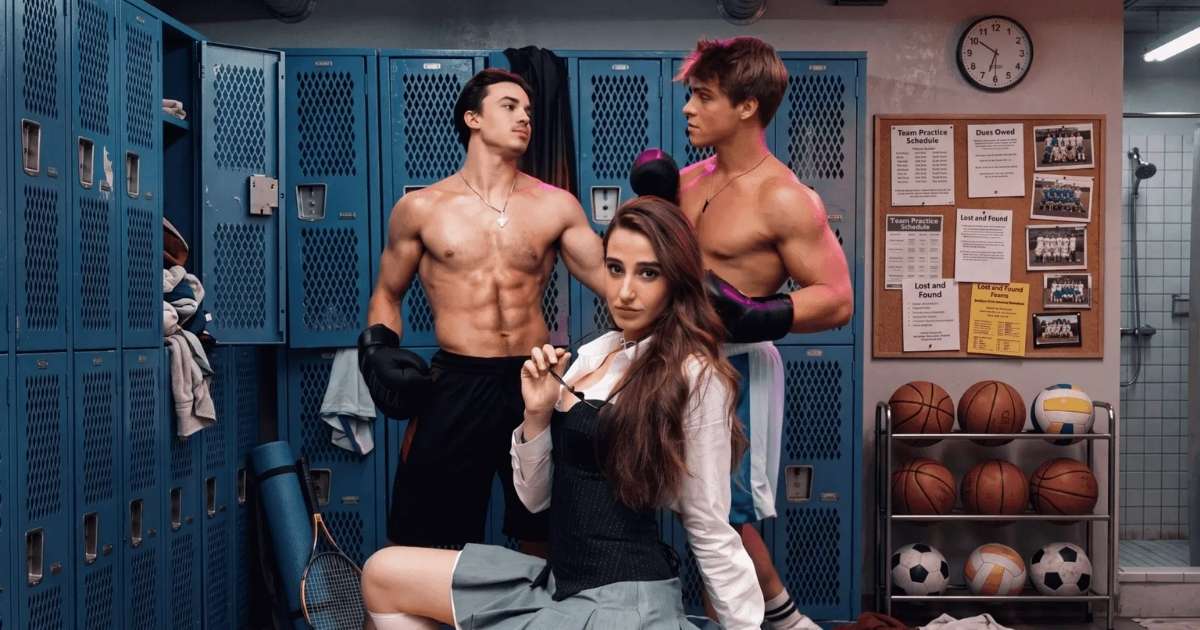
Jacob functions as the original target of the fake account. He represents popularity and campus attention. In Katie’s mind, winning him may feel like proof that she is desirable. Whether Jacob is truly right for her is less important at first than what he represents. He is the fantasy prize at the beginning of the story.
Rob changes the emotional direction. Because Katie falls for Jacob’s brother, the story becomes more layered. Rob gives the drama a chance to ask whether Katie wants status or sincerity. If Jacob is the crush built by imagination, Rob can become the person who challenges Katie’s real heart.
Jennifer is also important because she turns the fake Lola identity into a real-world conflict. She may not have created Katie’s lie, but her presence forces everyone to deal with it. A story like this needs a character who can collapse the safe distance between online fiction and campus reality. Jennifer fills that role.
Cast and production notes
The ShortFlix page shown for the film lists cast members including Natalie Collins as Lily, Nate Flores as Ethan, Julia Burenok as Rose, Daniela Leon as Emma, Jake Crossman as Bailey, Nika Brzhezytska as Victoria, Savannah Adamo as Self – Poppy, and Julian Vega as Derek. Shane Sandler is also listed on the cast section in the visible material. The page also credits Keegan Martin as editor, Giacomo Pancetta in production management as post-production supervisor, and Mark Heiliger as visual effects artist.
These credits matter because a short drama depends heavily on editing and visual clarity. A story about a fake AI account needs clean screen-based storytelling. Viewers have to understand when the drama is happening through messages, when it shifts into physical college life, and when a character is reacting to the image rather than the person behind it.
Romance and campus tension
The college setting gives the story natural pressure. Students see each other often. Social circles overlap. Crushes become public quickly. A fake account may begin in private, but college life makes secrecy difficult. That is why the premise works so well for a short drama. The campus is small enough for conflict to spread and active enough for romantic misunderstandings to grow.
The romance is also built on contrast. Katie’s online confidence is different from her real-life nervousness. Jacob’s appeal is different from Rob’s emotional pull. Jennifer’s physical presence is different from Lola’s digital image. These contrasts keep the story moving. Every relationship asks the same question in a different way: what is real, and what is only a performance?
Who should watch this short drama?
This title is a good fit for viewers who like campus romance, mistaken identity, social tension, and fast emotional turns. It also suits viewers who enjoy stories about shy leads who make messy choices before learning how to be honest. The film does not need a complicated fantasy world. Its drama comes from a simple, painful idea: pretending to be someone else can win attention, but it can also block real love.
Viewers looking for a clean entry point can start with The Nerds AI Fake Tamed the College Crushes on ShortFlix. The episode format makes the story easy to follow in short viewing sessions, while the central lie gives enough suspense to keep the next episode appealing.
Conclusion
The Nerd’s AI Fake Tamed the College Crushes is engaging because it turns a familiar campus crush into a story about identity, confidence, and emotional honesty. Katie’s fake AI account may begin as a way to reach someone unreachable, but it quickly becomes a trap that affects everyone around her. The best part of the film is not just the romantic chaos. It is the question underneath the romance: can someone be loved if they are too afraid to appear as themselves?
For fans of short-form college drama, this is a strong premise with clear stakes. It has a shy lead, a dangerous fake identity, a real girl connected to the lie, and a romantic shift that complicates everything. That combination gives the film enough emotion and tension to stand out on ShortFlix.

Clara Monroe is an experienced short film blog writer at ShortFilx, covering standout shorts, festival picks, and rising filmmakers with clear craft insights and trustworthy recommendations.