


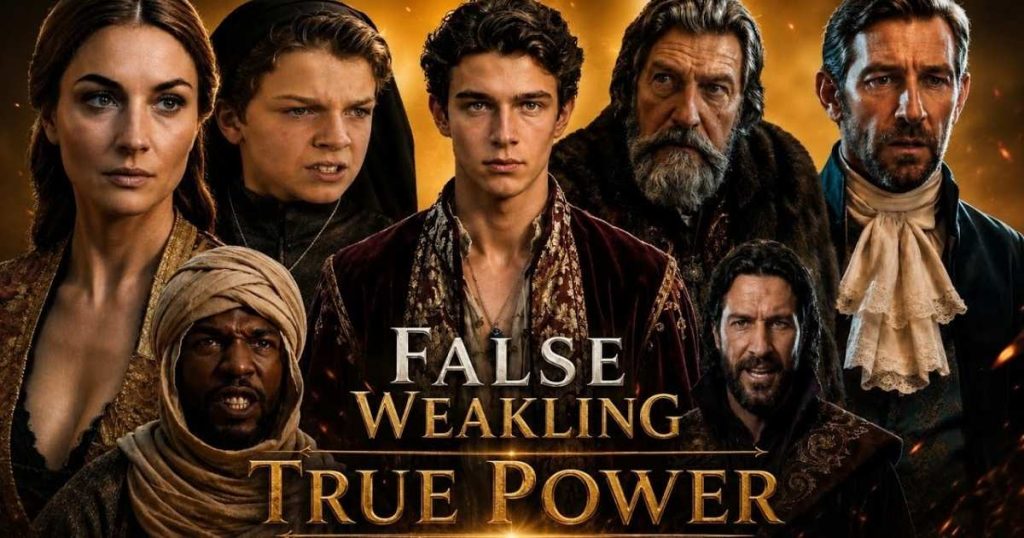
False Weakling, True Power follows Lucien, a nobleman in the Aurellian Empire who is publicly dismissed as weak, incompetent, and irrelevant. Behind this humiliating image lies a far more dangerous truth, he is a god-tier mage hiding overwhelming magical ability. The series builds its story around political tension, hidden identity, and the idea that appearing weak can become the most effective survival strategy in a world driven by power.
At its core, the series is not just about magic battles or royal tournaments. It is about perception, control, and how far someone can manipulate the way others see them. Lucien does not fight to prove his strength openly. Instead, he survives by ensuring no one ever realizes he is strong until it is too late.
The Aurellian Empire and the structure of power
The Aurellian Empire is built on a rigid hierarchy where magical ability defines social status. Nobles, mages, and political figures constantly compete for influence in both public and private spheres. In this world, strength is not only a weapon but also a form of currency that determines survival.
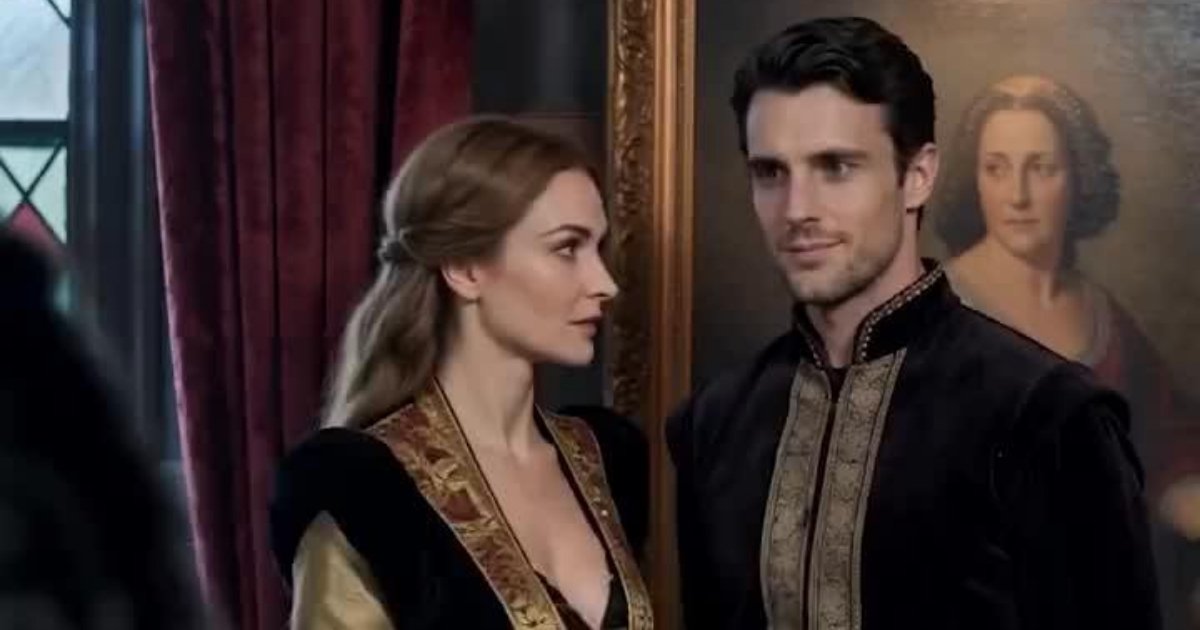
Public events like the martial tournament serve as both entertainment and political tools. While officially presented as a competition to select a husband for Princess Isolde, it is also a gathering point for different factions to test each other’s power. This is also where many viewers first begin to watch False Weakling True Power, as the tournament becomes the central stage where hidden strength and political tension unfold beneath ceremonial traditions.
Every participant in the tournament carries hidden motives. Some seek alliances, others seek dominance, and many are simply trying to survive the political environment. This layered structure of intention makes the Aurellian Empire a setting where nothing is ever truly straightforward.
Lucien and the construction of a false identity
Lucien enters this world as someone widely regarded as a failure. He is mocked by nobles and ignored by powerful mages, treated as if he has no meaningful presence in the empire. This perception is reinforced through his behavior, which appears hesitant and unremarkable.
However, this identity is not accidental. Lucien carefully maintains the image of weakness as a protective layer. In a system where strong individuals are constantly targeted, being underestimated becomes a strategic advantage rather than a disadvantage.
The more insignificant he appears, the less attention he receives from political enemies. This allows him to observe, analyze, and move without interference. His false identity becomes a shield that hides his true potential from a world that would otherwise try to control or eliminate him.
Weaponized weakness as a survival system
One of the central themes of the series is the concept of weaponized weakness. Lucien does not simply hide his strength out of fear. Instead, he uses weakness as a deliberate system of survival and control.

By lowering expectations, he ensures that others never prepare for his real level of ability. This creates a constant blind spot in the perception of those around him. In a competitive political environment, this blind spot becomes a powerful advantage.
Lucien also controls timing. He does not reveal his power continuously, but only in moments where the outcome is already determined. This prevents retaliation and eliminates long-term risk. His strength is not just in power itself, but in how and when it is used.
The martial tournament as a controlled battlefield
The martial tournament becomes the central stage where all hidden tensions converge. It gathers powerful mages from different regions, each with their own ambitions and hidden agendas. On the surface, it is a structured competition, but beneath it is a battlefield of influence.
Lucien participates without disrupting his established image. While other competitors showcase powerful spells and combat techniques, he continues to appear unimpressive. This contrast is intentional and carefully maintained.
The audience within the story underestimates him completely, while viewers are aware that something far more significant is hidden beneath the surface. This dual perspective builds tension and anticipation throughout the narrative.
The rogue mage incident and sudden escalation
A turning point occurs when a rogue mage from the Northern Kingdoms attacks the empire. The incident escalates quickly and threatens the stability of the city. Panic spreads as the situation becomes uncontrollable through conventional means.
The threat is suddenly erased by an overwhelming magical force. There is no clear explanation of the caster or the method used. The attack is simply removed from existence in an instant, leaving behind confusion rather than resolution.
This moment introduces a new layer of mystery to the story. It suggests that there is a hidden entity operating far beyond the known hierarchy of power. The empire, which already considers itself powerful, is shown to be vulnerable in ways it does not understand.
Kael’s investigation and the collapse of assumptions
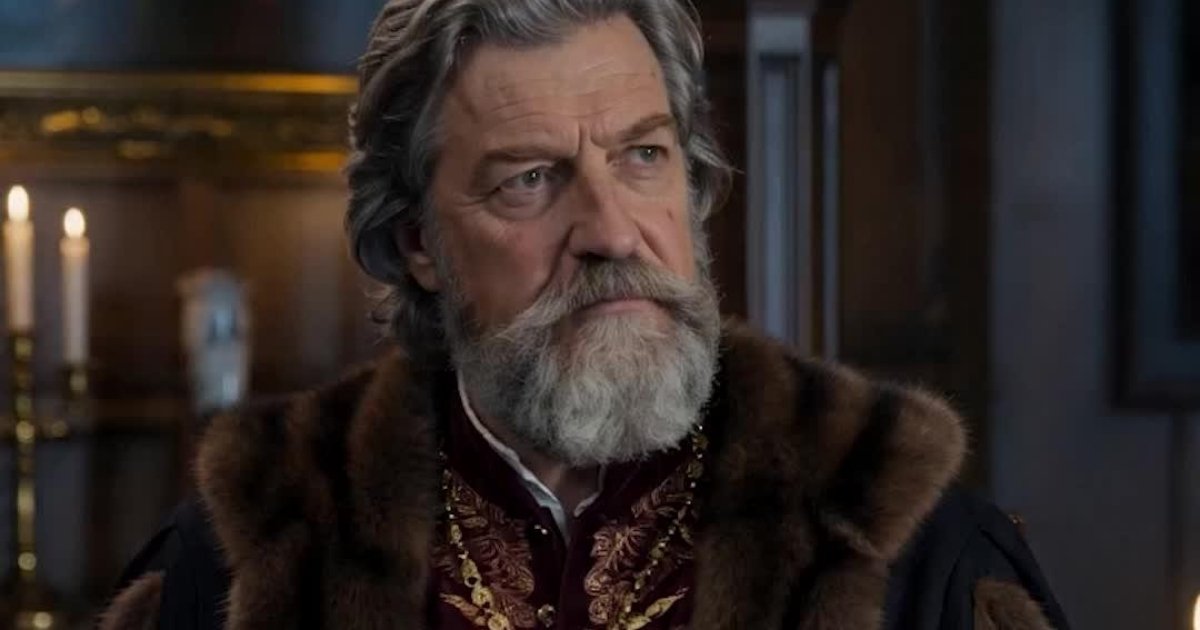
Kael, the First Mage of the Aurellian Empire, begins investigating the source of the unknown magical force. As someone who understands high-level magic, he attempts to trace patterns and signatures left behind by the attack.
However, the results of his investigation do not align with existing knowledge. The power displayed does not match any known archmage or political faction. This contradiction forces him to question the foundation of the empire’s magical hierarchy.
Eventually, the investigation leads to Lucien. This discovery disrupts every assumption Kael has about strength and identity. The weakest figure in public perception becomes directly linked to the most overwhelming force observed in the empire.
The meaning behind False Weakling, True Power
The series explores how perception can be shaped and manipulated in environments where power determines survival. Being visible is not always beneficial, especially when visibility attracts threats. In such a system, invisibility becomes a form of control.
Lucien’s strategy reflects a deeper truth about power dynamics. Strength alone is not enough to guarantee survival. Understanding how others perceive you becomes equally important. Control over perception becomes a hidden layer of dominance.
The story also challenges traditional hero narratives. Instead of rising through visible struggle, the protagonist operates through concealment and restraint. This creates a different interpretation of what it means to be powerful.
Conclusion
False Weakling, True Power presents a narrative built around hidden identity, political tension, and strategic survival. Lucien’s journey shows how a carefully constructed image can become a powerful tool in a dangerous world. The contrast between appearance and reality drives every major moment in the story.
Ultimately, the series suggests that true power is not always visible. It may exist quietly behind a false identity, revealed only when the situation demands absolute control. For viewers who enjoy fantasy stories with political depth and hidden power dynamics, this series offers a compelling experience available on ShortFlix.

Clara Monroe is an experienced short film blog writer at ShortFilx, covering standout shorts, festival picks, and rising filmmakers with clear craft insights and trustworthy recommendations.